

BOWI LA LOSS
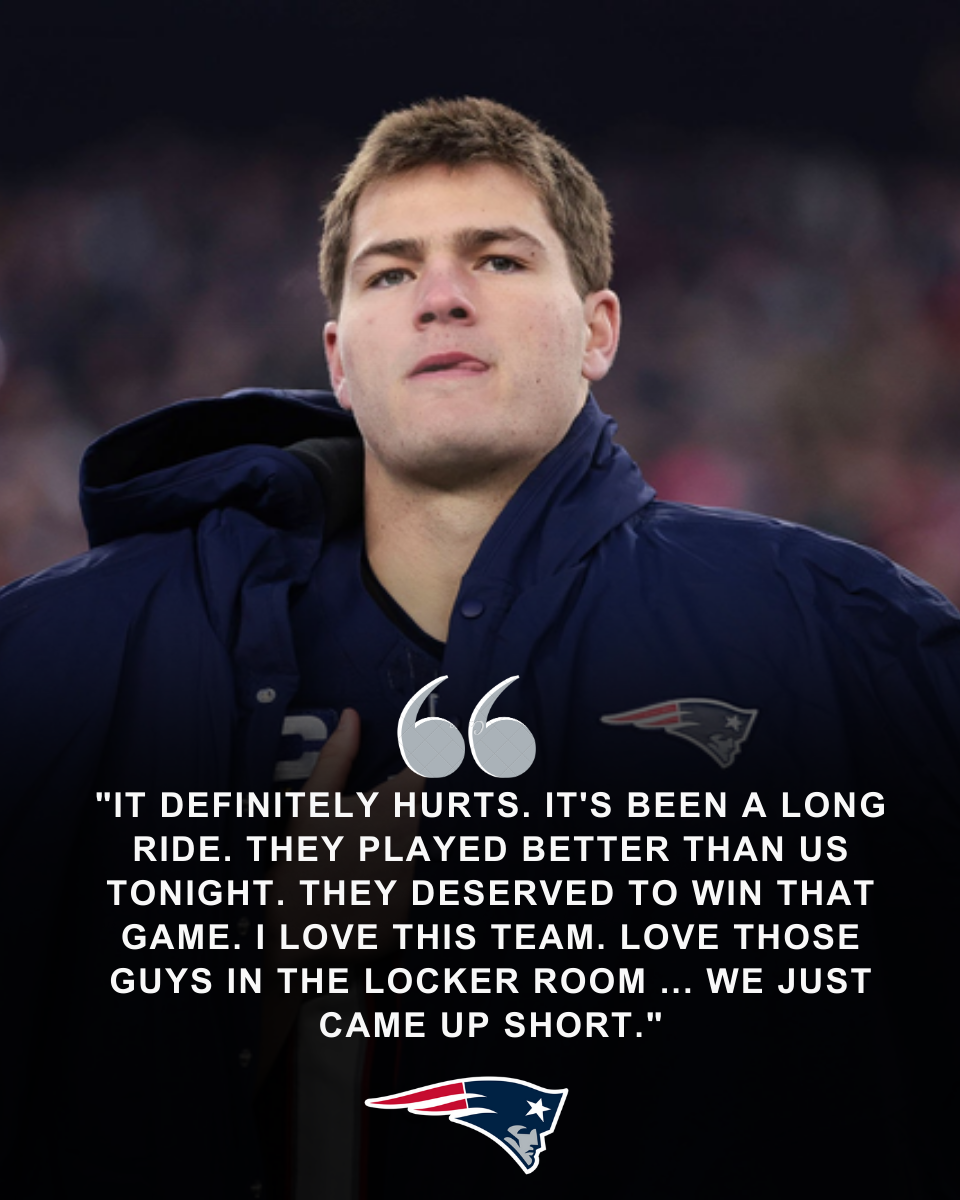
Drake Maye stood at the podium long after the confetti had fallen and the
noise had faded, facing the reality of a 29-13 Super Bowl LX loss to the
Seattle Seahawks. The New England Patriots quarterback did not look for
sympathy, nor did he search for excuses. Instead, he delivered a candid
reflection that revealed both the pain of defeat and the maturity of a leader
still early in his career.
The loss marked the end of a demanding season that brought New
England back to football's biggest stage. Facing a disciplined and physical
Seahawks team, the Patriots struggled to sustain momentum as the game
slipped away in the second half. While Seattle celebrated, Maye processed
the moment with composure, acknowledging that championships are
decided by execution, not intention.
What made his comments resonate even more was the context
surrounding his performance. Maye confirmed that he played the game
while dealing with a shoulder injury that required a pregame injection. The
issue limited his comfort at times, yet he was careful not to let it dominate
the narrative. He emphasized that every player on the field was dealing
with something, and that injuries were part of the reality at this stage of the
season.
"I was good enough to play," Maye said. "That's all that matters." His words
carried no bitterness, only accountability. He admitted that he missed
throws, failed to capitalize on opportunities, and needed to be better in
moments that define championship games.

Throughout his remarks, Maye repeatedly shifted attention away from
himself and toward his teammates. He praised the offensive line for
battling through pressure, credited the defense for fighting until the
final whistle, and acknowledged the leadership in the locker room
that helped guide a young roster through adversity. For Maye, the
loss did not erase the journey that brought the Patriots back to
relevance.
The Patriots entered the season surrounded by uncertainty. With a young
quarterback at the helm and a roster blending veterans with emerging
talent, expectations were cautious. As the weeks progressed, belief
replaced doubt. New England grew tougher, more connected, and more
confident, eventually earning a spot in the Super Bowl through resilience
and late-game execution.
Maye's development mirrored the team's growth. He faced early criticism,
adjusted to complex defenses, and embraced responsibility without
hesitation. By season's end, he had earned the respect of teammates and
opponents alike. That respect was evident in how he handled defeat,
choosing reflection over frustration.
He acknowledged that the Super Bowl exposed areas for growth,
particularly in situational football. Third-down efficiency, red-zone
execution, and handling momentum swings were all areas he identified as
needing improvement. Rather than framing the loss as a setback, Maye
described it as a reference point for the future.
The quarterback's honesty struck a chord with fans and analysts. In an era
when postgame comments are often filtered and cautious, Maye's
willingness to own the outcome stood out. He spoke not as a player
overwhelmed by the moment, but as one shaped by it.